
A Brief Look at Animation Development
This is the stuff that I couldn't really fit into the main page but I read about it and now it's your problem.
It's going to be a little more casual in here since it's a bit less researched and kind of just a satisfaction of my own curiosity.
2000 BCE Egyptian WrestlersExpand for Example Image
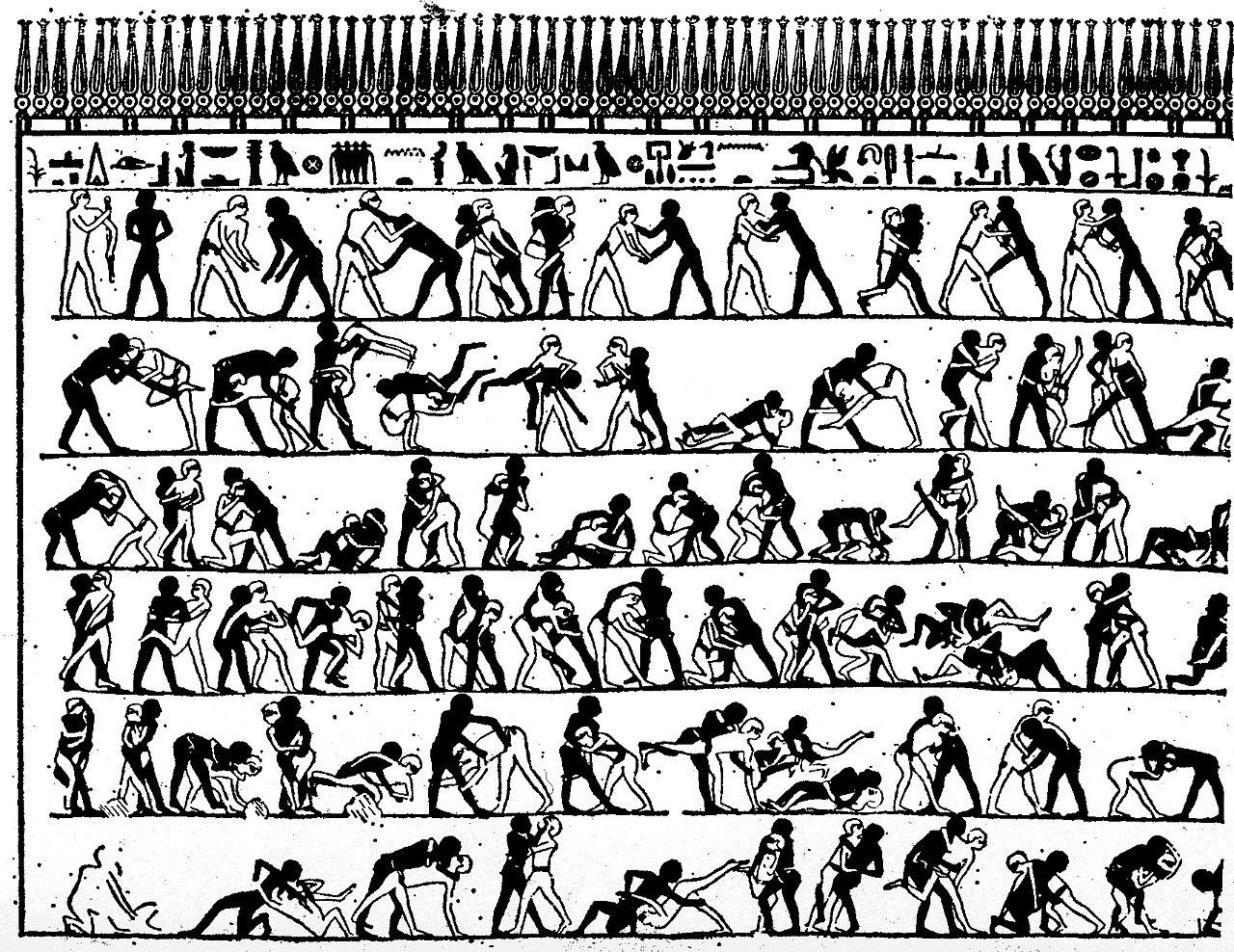
I love this one as an example of my favorite concept in comics. Scott McCloud defines the concept of Closure as how the viewer's mind fills in the gaps and missing information automatically when presented with a gap in information. It is utilized in comics to actually tell a story and convey action. You see the wind up to a punch and you see someone laid out on the ground, you will instantly fill in the gap with the punch itself. In your mind, effortlessly (for most). What we see with this painting of wrestlers is sequential art (much akin to comics). They art itself says nothing but as you scan across the image, you fill in the gaps and imagine the motion that is occurring. You complete the image and can learn these wrestling moves pretty well. The more quickly you can scan the image, the smoother the motion can seem in the mind despite the fact that Nothing is Moving. It's the interstitial space where the magic happens, baby! It's not perfect, there isn't much indication for when an image is supposed to be individual or part of a sequence (hadn't invented panel layout yet, smh amateurs) but sometimes it really works. You can follow your way through a wrestling move.
113CE Trajan's Column
Expand for Example Image
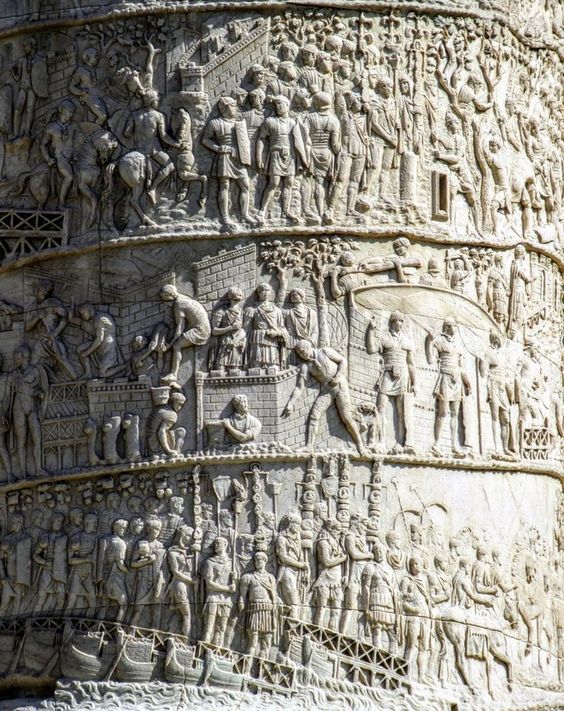
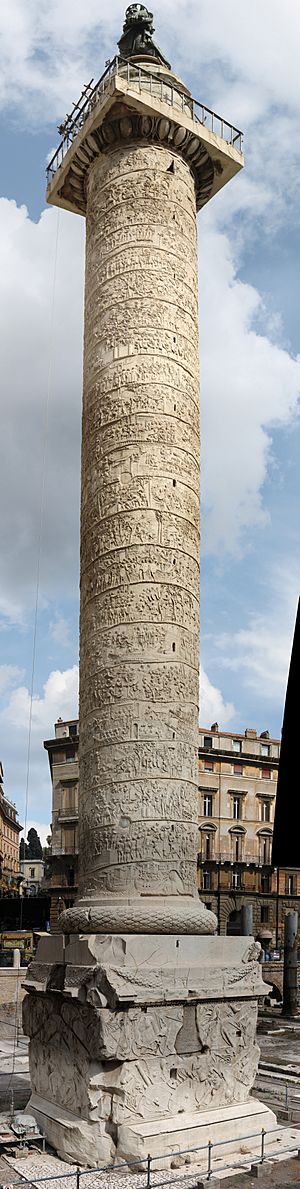
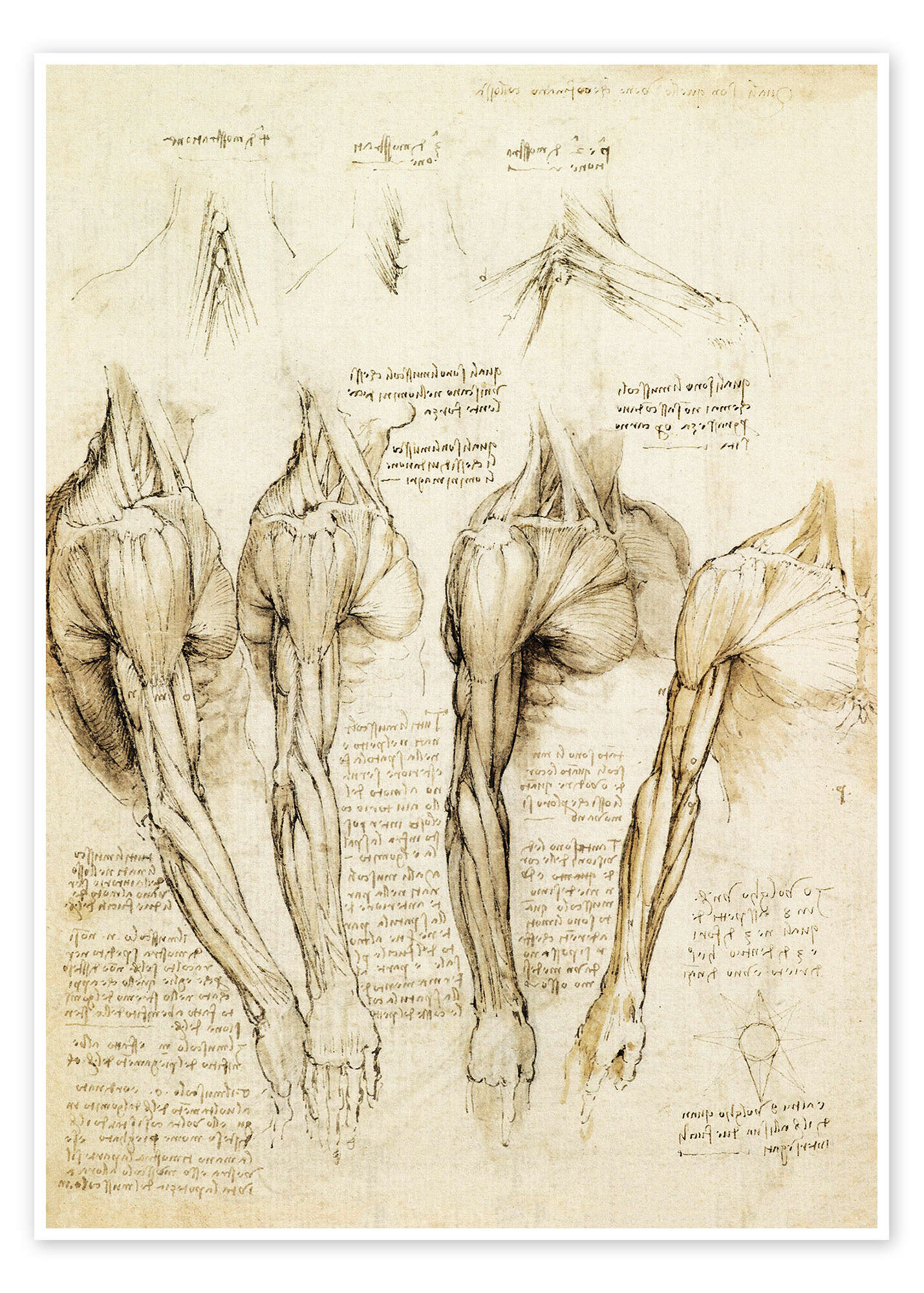
1504 Da Vinky Muscles of Shoulder
Expand for Example Image
1600 Caravaggio Entombment of Christ
Expand for Example Image
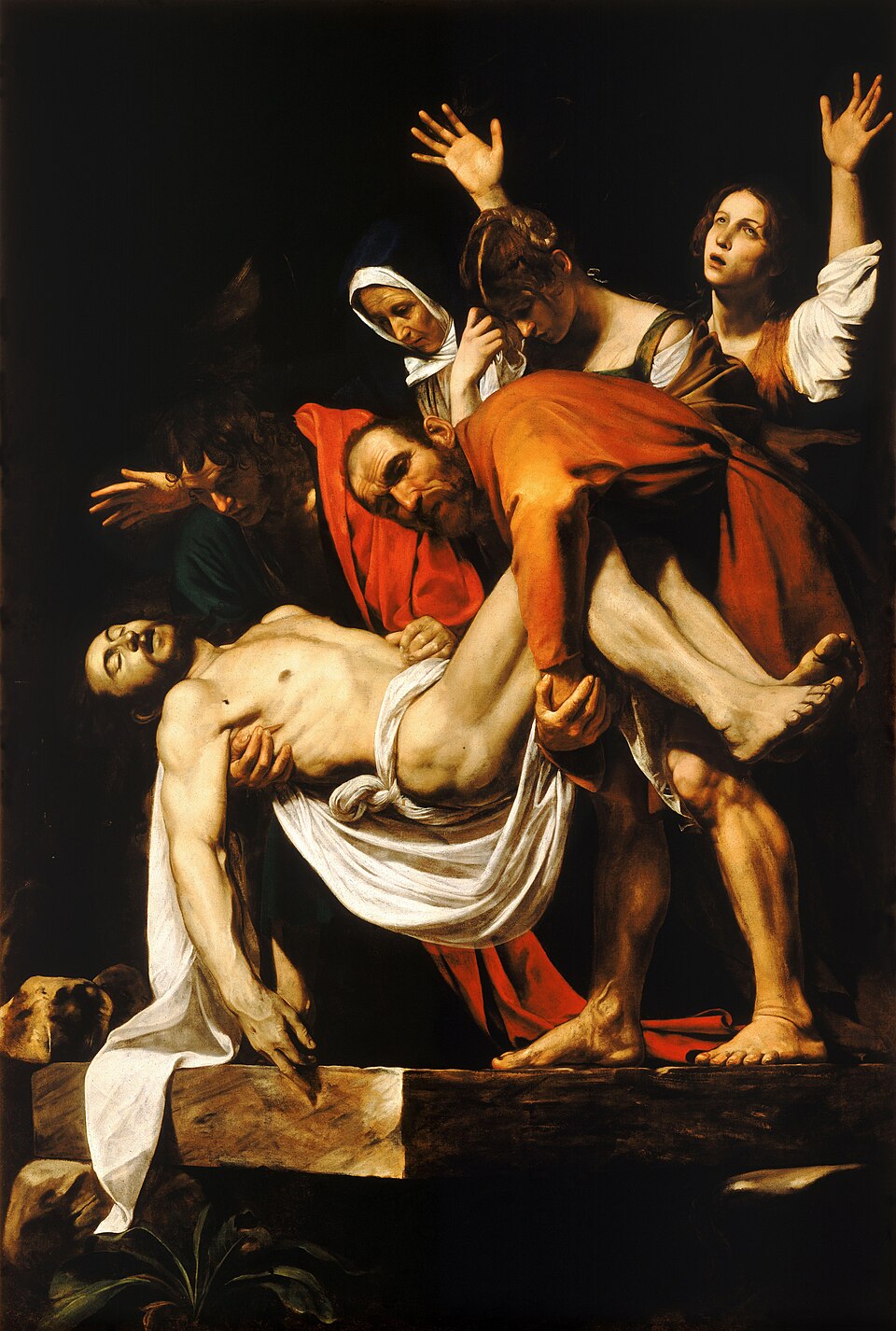
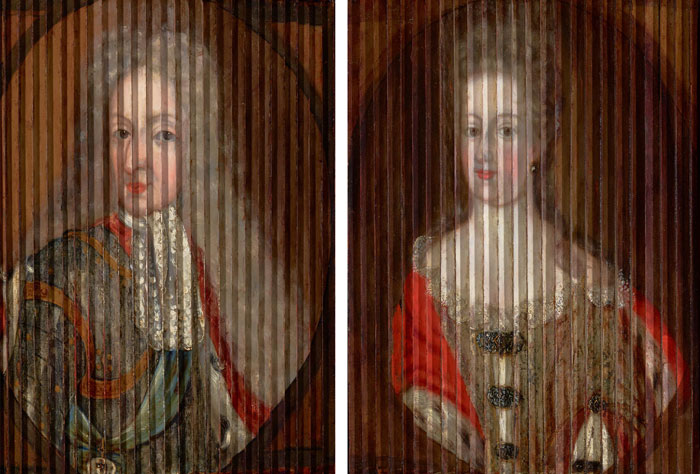
1692 Gois Clair and the laths
Expand for Example Image
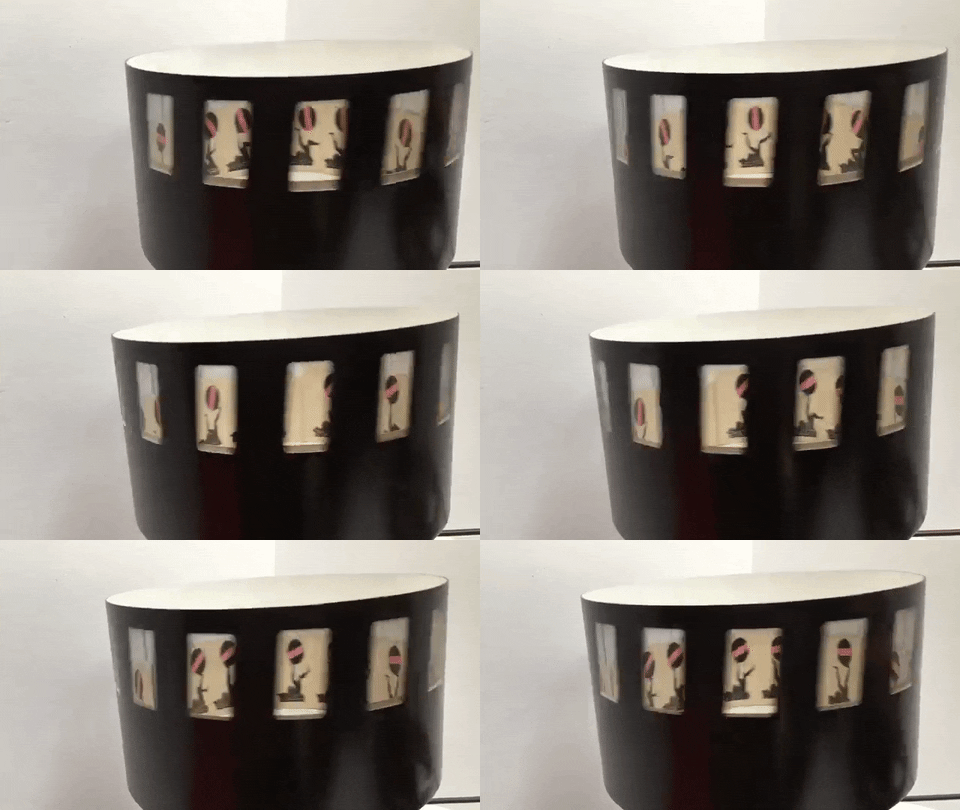
1834 Daedalum
Expand for Example Image
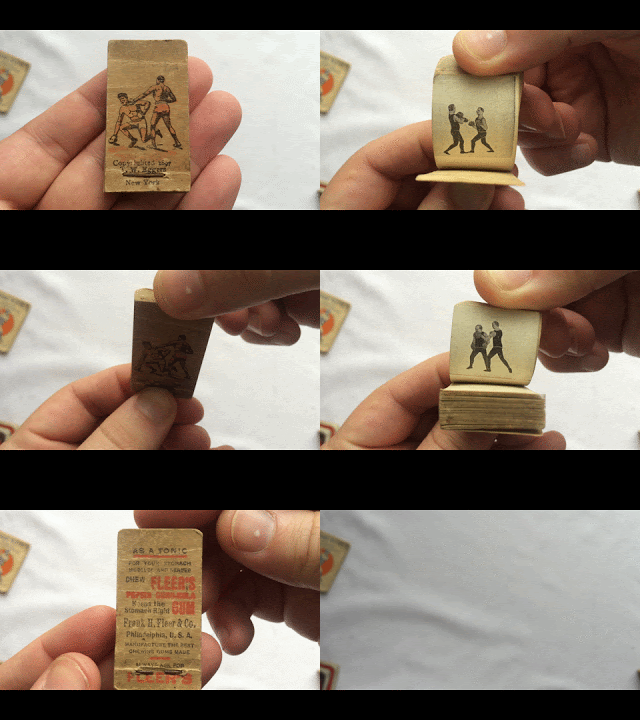
1868 Flipbooks
Expand for Example Image
1877 Praxinoscope
Expand for Example Image
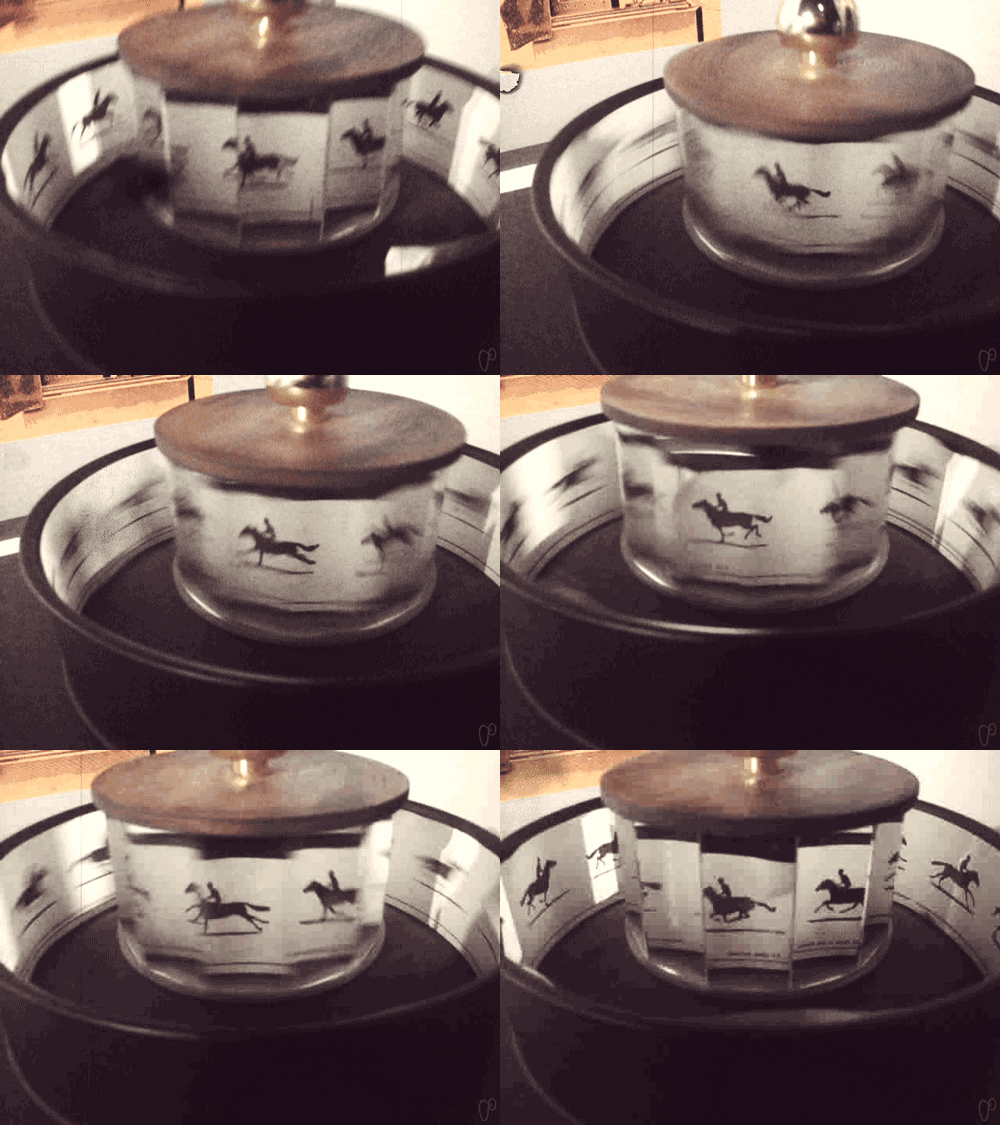
1878 Horse in Motion
Expand for Example Image
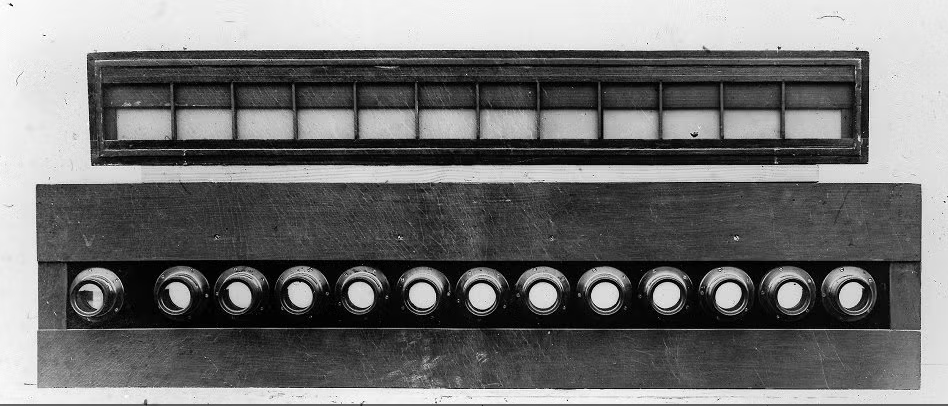
1896 Autostereoscopic Photography Jacobson Berthier
Expand for Example Image
1903 Frederick E. Ives
Expand for Example Image
00s-30s Soviet Film research and specialized cameras and projectors Motion Picture and Photography Research Institute
Expand for Example Image
1908 Lippmann's Integral photography
Expand for Example Image
1915 Kanolt's Parallax Panoramagram